BLUE REFLECTION Quartet How to Play BLUE REFLECTION RAY in Quartet
Navigate the playable anime adaptation—exploration, illustrated stills, and story beats without RPG combat focus.
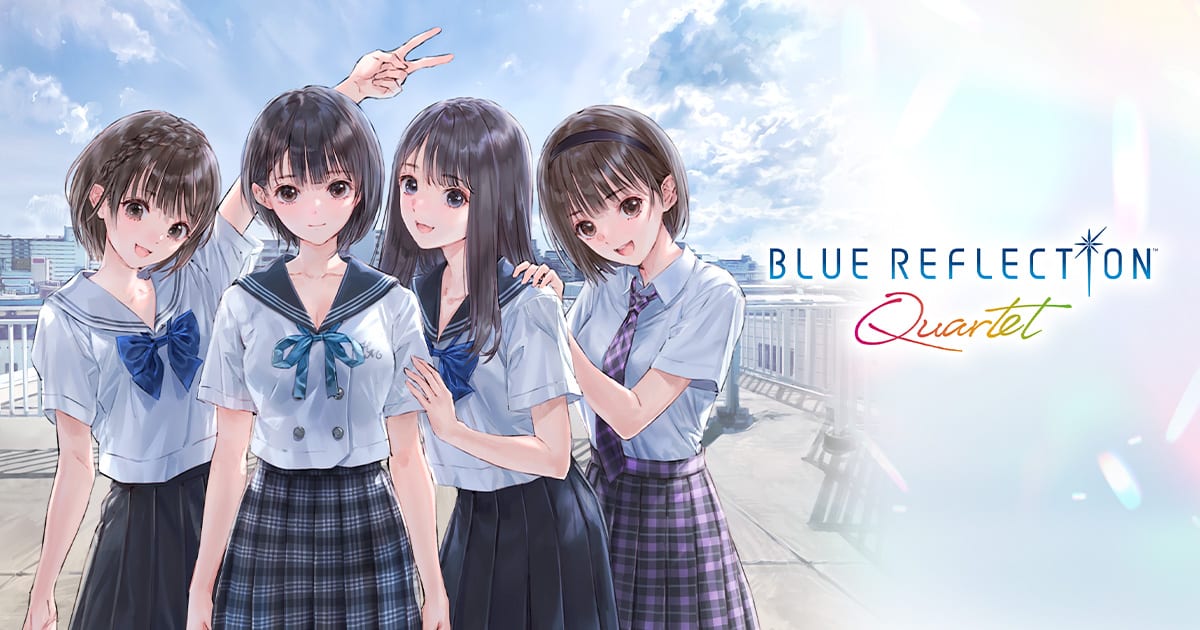
What RAY is inside Quartet
BLUE REFLECTION: RAY in Quartet is a playable condensed experience based on the anime retelling of Hinako Shirai’s story. It is not a parallel full-length RPG like the 2017 game or SUN’s rebuild. Instead, RAY emphasizes exploration, environmental navigation, and illustrated stills that reproduce anime framing—combat is deliberately de-emphasized compared to other compilation entries.
Gust built a new interactive layer on the broadcast: players collect memory fragments scattered through the dreamlike Common to unlock narrative beats, with Mel Kishida creating twenty new illustrations exclusive to this RAY module—art that never appeared in the anime or prior games. A new prologue and epilogue bridge RAY to BLUE REFLECTION and SUN, making the compilation structurally coherent in ways standalone releases never were.
Position RAY second in the Recommended play order after completing or understanding BLUE REFLECTION. The module runs shorter than Hinako’s full RPG, making it a palate cleanser before Shiho’s heavier SUN arc.
Memory fragments and the Common
RAY’s mechanical identity is fragment collection, not party combat:
- Explore hub locations—school grounds, town streets, Common spaces from the anime
- Discover fragments tied to Hiori and Ruka’s memories; each unlocks still scenes and voiced dialogue
- Advance chapters along a mostly linear path with optional inspectables for completion hunters
- View twenty new Kishida pieces integrated into fragment rewards—compare them later in the Mel Kishida Gallery
Fragments replace traditional dungeon loops. If you expect Ether grinding, you are in the wrong module—jump to How to play SUN after RAY credits.
Core gameplay loop
RAY’s sessions feel closer to a visual novel with walkable spaces:
- Explore hub locations from the anime—school grounds, town streets, story-specific sets
- Trigger scenes by interacting with hotspots that launch still illustrations and voiced dialogues
- Advance chapters along a linear path with occasional branchless optional inspectables
- Listen to Japanese performances with your chosen subtitle language from Languages and audio
There is no party management, Ether grinding, or Reflector stat sheets. If you seek combat tutorials, jump to How to play SUN or Systems after RAY credits.
Exploration mechanics
Movement uses third-person navigation with light platforming or path constraints depending on scene. Compilation faster movement helps when revisiting areas for missed inspectables—enable it in QoL features after your first pass if backtracking for completion.
Camera-friendly spaces encourage reading environmental detail that anime episodes flash past. Use RAY to reinforce names before SUN references Hinako’s classmates indirectly.
Stills versus in-engine scenes
RAY alternates between in-engine walking segments and high-quality stills mirroring anime key frames. These stills:
- Carry major plot beats and emotional close-ups
- Support full voice lines with subtitles
- Reward screenshot-minded players (though this is not Second Light’s photo mode—no Preorder frames apply here)
Because stills are static, event skip and fast-forward matter on replays—avoid skipping on first viewing unless you literally just finished BLUE REFLECTION and recognize duplicate dialogues.
How RAY connects to SUN and Second Light
RAY reinforces Hinako’s baseline so SUN can focus on Shiho Kasuga without re-explaining Reflect lore. Second Light later imports eight extra party members from RAY and SUN—seeing RAY cast stills makes those reunion lines in Ao’s campaign land harder.
Consult the Reference Database relationship charts after RAY to compare anime versus game character links—guide: Reference Database and Gallery.
Saves, length, and completion
RAY’s shorter runtime contributes modestly to Quartet’s 70 to 80 hour total. Saves are independent per compilation rules—no legacy import. Autosave triggers at story gates; manual save before long still sequences if your platform lacks suspend comfort.
Nintendo Switch and Switch 2 remain separate products with no save transfer—finish RAY on the hardware you chose for the full saga.
Who should skip or prioritize RAY
Prioritize if you watched the anime years ago but forgot episode order—RAY is cheaper time-wise than rewatching streaming archives.
Consider skipping only if you deeply know Hinako’s arc from BLUE REFLECTION and do not care about anime staging—acceptable under Quartet’s any-order rule but not ideal for completion bonus hunting until confirmed on Updates.
Avoid starting here if you are brand new—Without Hinako context, still scenes feel like random magical-girl montages.
Post-RAY roadmap
Continue to How to play SUN for rebuilt combat using Second Light systems, 24 events, and newly recorded episodes. Alternatively open Walkthrough logs if you maintain a spoiler-light journal.
Photography enthusiasts still wait until How to play Second Light for real photo mode—RAY is narrative, not sandbox.
Related pages
What’s Included contrasts RAY with remasters, Characters lists cast voices, Review discusses whether RAY justifies compilation purchase alone, and Tools may host checklist routes post-launch.
Frequently Asked Questions
Quick answers to the most common questions.
Does RAY have combat in Quartet?
Combat is not the focus. RAY emphasizes exploration and still scenes adapted from the anime rather than RPG battles.
How long is RAY compared to other Quartet games?
RAY is the shortest module—condensed anime coverage—while SUN and Second Light dominate hour totals.
Should I play RAY before or after BLUE REFLECTION?
After BLUE REFLECTION in the recommended order, unless you already know Hinako's story intimately.
Can I use Second Light photo mode in RAY?
No. Photo mode and preorder frames apply only to Second Light—see How to play Second Light.
Does RAY include newly recorded voice lines?
RAY uses anime-oriented performances within the compilation's Japanese-primary audio setup. SUN and Second Light carry most newly recorded lines.