BLUE REFLECTION Quartet Systems Hub
Timeline combat, bond mechanics, loadouts, and school-life loops explained for every title in the collection.
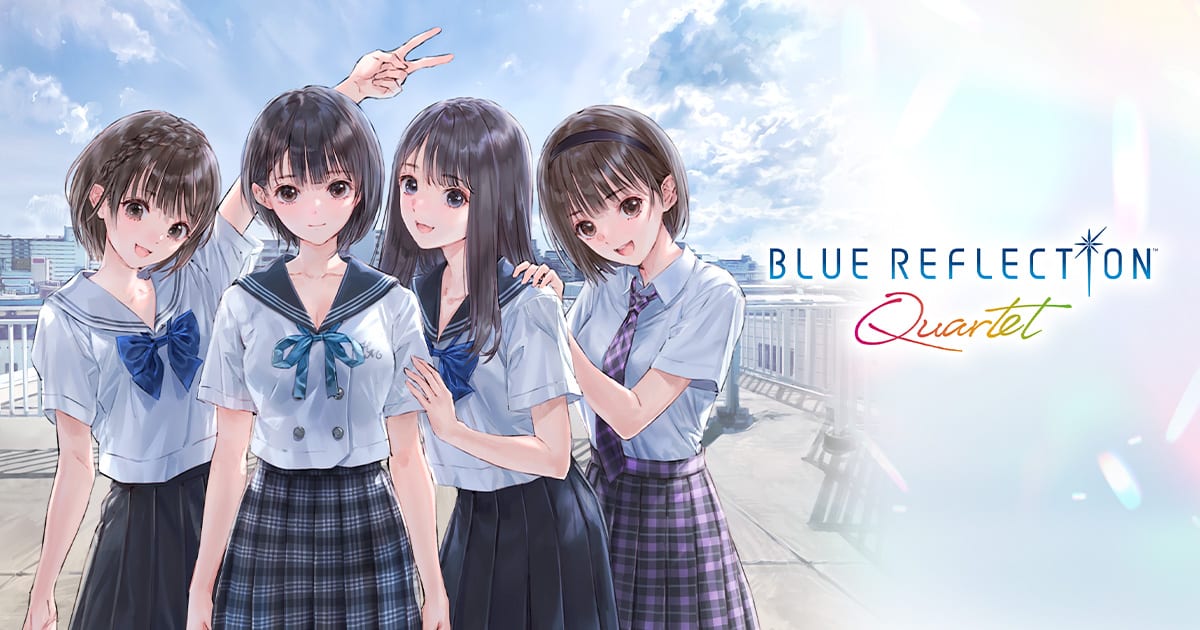
BLUE REFLECTION Quartet packages four stories that do not share one identical ruleset. Remastered BLUE REFLECTION (2017) uses turn-based Reflector combat with Ether Charge and Overdrive chains. Second Light and the rebuilt SUN share a real-time timeline built on Ether Points, Gear shifts, and combo-driven Ether Tide finishers. RAY is largely non-combat exploration. This hub maps those differences so you know which guide to open before a boss—not after a wipe.
Two combat families inside one launcher
If you follow the recommended play order—BLUE REFLECTION, RAY, SUN, then Second Light—you will learn mechanics in layers. The original game teaches emotional Fragments attached to individual skills, bond-driven growth, and real-time Guard or Recovery inputs during enemy turns. Second Light replaces that loop with a horizontal Timeline where ally and enemy icons race toward an Action Line, Gear levels cap how much Ether you can store, and Fragments behave like passive equipment that activates at specific Gear thresholds.
SUN’s console rebuild in Quartet explicitly adopts Second Light’s battle system. That means skills, Gear pacing, and Fragment rules you learn in SUN transfer directly to Second Light’s endgame, even though story structure and squad composition differ. Treat SUN as a combat tutorial with a smaller roster before Ao Hoshizaki’s expanded campaign.
Core pages in this hub
Start with combat if you are entering a Heartscape or the Common for the first time in Second Light or SUN. The page covers Ether Recovery Speed, the five Gear tiers, combo counting toward Ether Tide at fifteen hits, attribute weaknesses that knock enemies back on the Timeline, repeated-hit Knockdowns, and back attacks from swinging your weapon before the enemy notices you.
Controls documents platform-specific inputs for PS5, Nintendo Switch, Switch 2, and Steam. Layouts diverge between keyboard-mouse and controller, and the original BLUE REFLECTION mapping differs from Second Light’s Heartscape swing and Search Mode toggles.
Fragments and bonds explains why the word “Fragment” means different things in each title: skill augments tied to classmates in the 2017 game versus slot-based equipment earned on Dates in Second Light. Bond Episodes and Date Events still matter in both, but the rewards they grant change shape.
Builds focuses on practical loadouts—skill palettes, Fragment grids, Talent investments, party composition, and Supporter formations—for Second Light and SUN. Original BLUE REFLECTION build advice lives here too for Overdrive sequencing and supporter call-ins.
Items covers healing consumables, crafted support tools, and how the Second Light school-life loop feeds combat through Craft and School Development facilities.
Difficulty and QoL settings explains how battle speed, event skip, and combat families differ across BLUE REFLECTION, RAY, SUN, and Second Light—especially for first-run configuration before launch-day menus are fully documented.
How systems connect to the rest of the wiki
Combat knowledge pairs naturally with the tier list hub, especially Second Light party rankings and the SUN squad tier list once you are choosing long-term rosters. Walkthrough pages link here at act breaks; return to walkthrough hub when a chapter gates progress behind friendship ranks or Gear checks.
Planning a full collection clear? Pair systems reading with the playtime planner and completion checklist so optional Dates and Fragment hunts do not slip past calendar deadlines. For purchase decisions and newcomer pacing, the review hub and updates track pre-launch impressions and patch notes as Quartet matures.
Quick reference: what changes per title
| Topic | BLUE REFLECTION | Second Light / SUN (Quartet) | RAY |
|---|---|---|---|
| Battle style | Turn-based with real-time defense inputs | Real-time Timeline with Gear | None (exploration) |
| Fragments | Socketed into skills | Equipped in slot grid | N/A |
| Growth | Bonds + growth points | Talents + Dates + battle XP | Memory shards |
| Preemptive advantage | Common ambush | Heartscape swing / Search Mode back attack | N/A |
Before your next fight
Read the page matching the game icon on your launcher screen, not the last title you finished. Second Light players who muscle-memory Guard from BLUE REFLECTION often forget that Timeline positioning replaces turn order. SUN players should skim builds early because squad role overlap is tighter than Ao’s late-game roster. When in doubt, open combat for universal Second Light rules, then branch into title-specific walkthrough notes.
Frequently Asked Questions
Quick answers to the most common questions.
Do all four Quartet titles use the same combat system?
No. BLUE REFLECTION uses turn-based Ether and Overdrive combat. Second Light and the rebuilt SUN share the Timeline/Gear system. RAY has no battles—see combat for details.
Which systems page should I read first?
Newcomers starting in release order should read fragments and bonds after the prologue, then combat before the first major Heartscape boss.
Does SUN combat match Second Light?
Yes in Quartet. SUN's console rebuild uses Second Light's battle rules, so Gear, Ether Tide, and Fragment equipment behave the same way.
Where do controls differ by platform?
Steam supports keyboard-mouse and controller; PS5 and Switch use gamepad layouts with different face-button assignments. See controls.
How do systems tie into tier lists?
Tier rankings assume Second Light/SUN mechanics—Ether Recovery Speed, Fragment activation Gear, and Support roles. Start at the tier list hub.