Fragments and Bonds in BLUE REFLECTION Quartet
Emotional memory in the Common, skill sockets in 2017, and slot-based Fragment gear in Second Light and SUN.
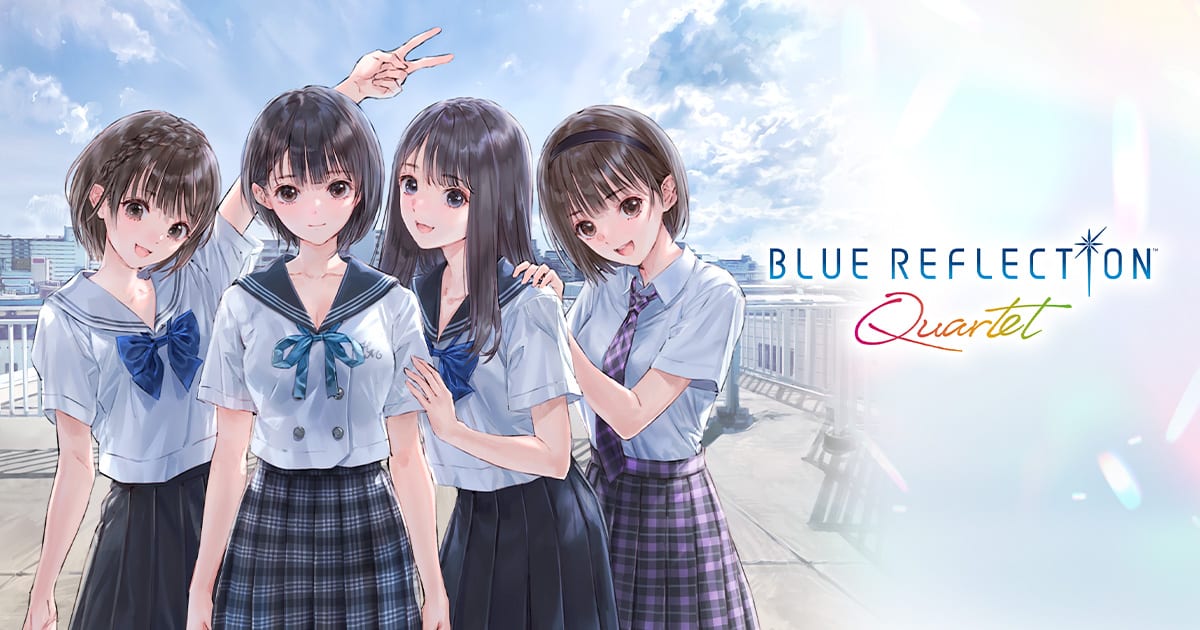
The word Fragment appears in every BLUE REFLECTION Quartet story, but it does not always mean the same equipment slot. In remastered BLUE REFLECTION, Fragments are emotional shards you attach to individual skills, earned by deepening bonds with classmates. In Second Light and the rebuilt SUN, Fragments are standalone passives arranged on a grid, unlocked primarily through Dates and Requests. Bonds still matter—Dates and friendship ranks gate access—but the mechanical payoff shifts from skill augmentation to Gear-triggered equipment effects. Understanding both models prevents you from socketing a Second Light Fragment onto the wrong menu.
Bonds as the social spine
Across the series, Bond Episodes trigger when you talk to students after lessons. Advancing episodes raises exchange points, unlocks narrative beats, and often grants mechanical rewards. Date Events take friendships off-campus—to cafes, shops, or seasonal spots—with surprise destinations after you extend an invitation. These systems appear in the 2017 game and Second Light alike, though Second Light folds Dates into its larger school-life loop alongside Requests, Craft, and School Development.
Original BLUE REFLECTION ties combat growth directly to bonds: Reflectors do not level through grind alone. Completing Essential Missions, Important Missions, and Common explorations with specific classmates raises relationships, unlocks Supporter techniques for key fights, and grants new Fragments tied to each girl’s emotional arc. Because bond paths branch, you cannot collect every Fragment in a single playthrough—plan NG+ or accept missed sockets on a first run.
Second Light keeps the emotional framing but separates battle XP and Talent Points (from Requests and hangouts) from Fragment acquisition. Dates remain the primary Fragment source, with occasional story or exploration drops. Quartet adds cross-title character episodes that feed the Reference database; bonds with RAY and SUN imports still use Date/Event scaffolding even when dialogue references prior games.
Original BLUE REFLECTION: Fragments on skills
In the Common—the collective unconscious Hinako explores—missions task you with recovering emotion Fragments linked to classmates’ real-world troubles. When a mission completes, you receive items, growth points, and Fragments you can equip to skills, not to characters globally. Each Fragment modifies the skill it is socketed into: bonus damage, healing on use, status infliction, or utility riders.
Because sockets are per-skill, buildcraft means pairing high-impact Fragments with the commands you spam during Overdrive chains. Upgrade materials found in the Common can enhance Fragments, sometimes changing their effect entirely—experiment before committing rare items. Supporters lend personality-specific assists once bonds reach combat thresholds, while their Fragments extend the main trio’s kits indirectly through shared emotional themes.
Growth points from missions feed four stat lines—attack, defense, support, and technic—unlocking new skills as Hinako, Yuzu, and Lime deepen ties with Hoshinomiya students. Evaluation points advance the main plot once enough side bonds progress. This loop rewards scheduling Free Time deliberately rather than grinding random encounters.
Second Light and SUN: Fragment equipment grid
Second Light reframes Fragments as equipment pieces managed from the main menu. Each Fragment has:
- Size — occupies multiple slots on a tetromino-style grid; larger pieces tend to offer stronger effects.
- Effect type — Attack, Defense, Recovery, One-on-One, Support, Skill, or Permanent categories.
- Active Gear — the Gear tier required before the passive activates mid-battle.
You begin with limited Fragment slots; Talents expand the grid up to ten slots total. During combat, as a character’s Gear rises from Ether Recovery Speed gains, Fragments whose Active Gear threshold is met turn on automatically. Higher Active Gear requirements take longer to reach but punch harder—balance quick Gear 2 utility against Gear 4 finishers based on your role.
Fragment hunting intertwines with Dates: inviting allies out yields pieces suited to their personalities and combat roles. Requests and Heartscape exploration supplement the pool. Because SUN uses Second Light’s battle engine in Quartet, Fragment rules, slot expansion, and Active Gear logic apply there too—only roster size and story pacing differ.
Ethereal themes and the Common
Lore-wise, Fragments represent crystallized emotion stored in the Common, the dimension Reflectors traverse. Yuzu and Lime explain that humanity’s collective unconscious registers every heart; Reflector work stabilizes defects that manifest as Sephiroth incursions or, in Second Light, Heartscape corruption around Ao’s academy. RAY adapts this metaphysics through memory shards rather than combat equipment—see the walkthrough hub for non-combat collection goals.
Quartet’s Reference database connects these threads across Hinako, Hiori, the SUN Leader, and Ao. Bond rewards you earn in earlier titles do not import mechanically into later saves—each launcher icon keeps its own progression—but emotional context makes Date dialogue richer if you play in recommended order.
Practical planning tips
Release-order players: Finish BLUE REFLECTION with a note of which Fragments you socketed into Overdrive finishers; those habits do not transfer, but the bond pacing teaches when to prioritize Dates over Heartscape farming.
Second Light/SUN players: Prioritize Fragments that raise Ether Recovery Speed early. Faster Gear shifts mean more skill windows and quicker Active Gear activation for oversized Attack pieces. Cross-reference builds and the Second Light party tier list before selling or ignoring duplicate drops.
Completionists: Track Date availability in the completion checklist so calendar-locked Fragments do not expire silently during busy story weeks.
Related pages
Combat pacing that triggers Active Gear sits in combat systems. Loadout examples live in builds. Character-specific bond routes appear under characters and individual walkthrough pages.
Frequently Asked Questions
Quick answers to the most common questions.
Are Fragments the same in every Quartet game?
No. Original BLUE REFLECTION sockets Fragments into skills. Second Light and SUN treat Fragments as grid equipment with Active Gear thresholds.
How do I get more Fragment slots in Second Light?
Spend Talents to expand the grid up to ten slots. Larger Fragments consume more space but usually offer stronger effects.
Can I collect every Fragment in one BLUE REFLECTION playthrough?
No. Bond choices branch, locking some Fragments until another run. Plan NG+ if you want full collection.
When do Fragment effects activate in battle?
When the character reaches the Fragment's Active Gear or higher during the fight. Higher thresholds take longer but hit harder.
Do Dates matter in SUN the same way as Second Light?
Yes in Quartet's rebuild. Dates remain a primary Fragment source alongside Requests and story events.