BLUE REFLECTION Quartet BLUE REFLECTION Newcomer's Primer
Lore foundations, emotional tone, and combat differences—spoiler-light prep before Quartet.
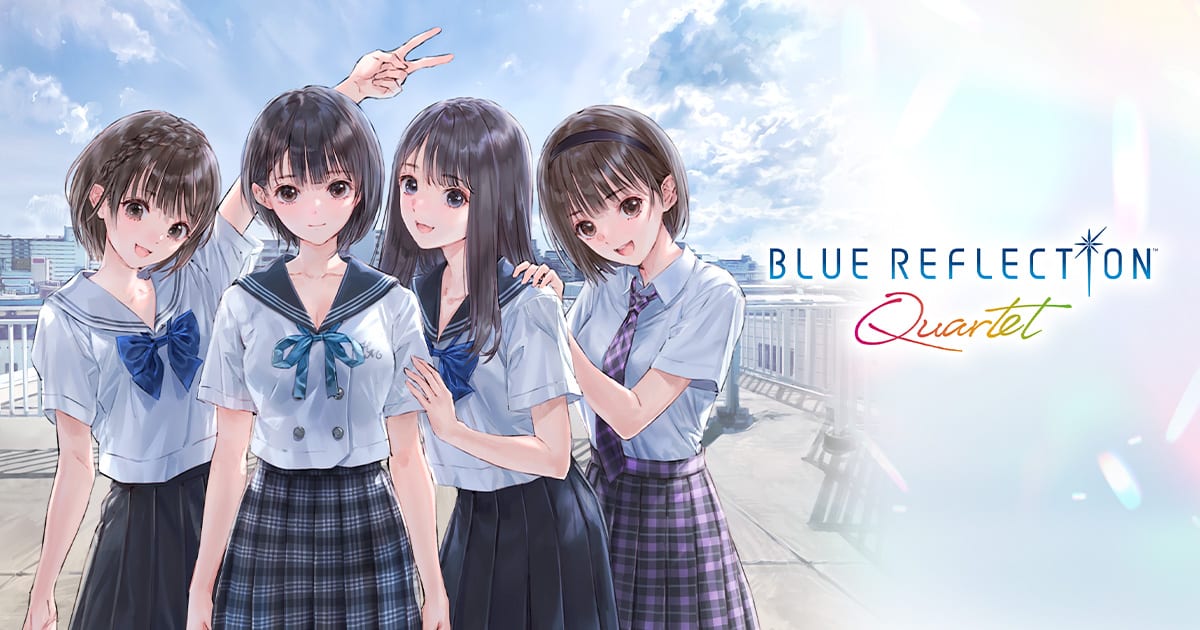
Jumping into BLUE REFLECTION Quartet without context can feel like enrolling mid-semester at Hoshinomiya Academy: everyone knows what a Reflector, Fragment, or Common is except you. This primer gives spoiler-light foundations—what the series is about emotionally, how each Quartet title differs mechanically, and where to read next—so your first hour is curiosity instead of confusion. Pair it with getting started and recommended play order once you are ready to launch the collection.
One-sentence pitch
Magical-girl JRPGs where Japanese schoolgirls bond over everyday problems, dive into a collective dream world called the Common, and fight manifestations of emotional pain—pretty on the surface, heavy beneath.
Core lore vocabulary
Reflectors — Students (usually girls) who transform to explore surreal spaces and fight monsters tied to human feelings. They wield Ether, described as emotional energy rather than mana from a textbook.
The Common — A dimension representing humanity’s collective unconscious. Different games rename zones (Heartscapes in Second Light, Other World phrasing in 2017 materials), but the idea persists: inner turmoil becomes geography.
Fragments — Crystallized emotions. In BLUE REFLECTION (2017) you socket them into skills. In Second Light and SUN (Quartet rebuild) they are equipment pieces activated by Gear thresholds during Timeline battles. Same word, different menus—read fragments and bonds before your first Heartscape.
Sephiroth / Testa / assorted threats — Antagonistic forces born from distorted emotion. Each title names its apocalyptic pressure differently; Quartet connects them through Reference database entries rather than one continuous plot timeline.
The four Quartet stories (spoiler-light)
| Title | Protagonist focus | Gameplay flavor |
|---|---|---|
| BLUE REFLECTION | Hinako Shirai returns to ballet after injury | School sim + turn-based Ether/Overdrive combat |
| RAY | Hiori and Ruka in anime recap form | Exploration, memory shards, minimal combat |
| SUN | Shiho leads the “weakest squad” | Squad drama + Second Light-style battles in Quartet |
| Second Light | Ao Hoshizaki at a flooded academy | Deep school loop + Timeline combat capstone |
You do not need manga or anime homework first—Quartet is designed as a self-contained library—but emotional payoffs stack if you follow release order.
Tone and content warnings
Expect teen drama, friendship fracture, depression allegories, and magical-girl transformation fanservice in Gust’s usual tasteful-but-present style. Stories respect emotional vulnerability more than grimdark shock, yet bullying, grief, and identity stress appear regularly. If school-pressure narratives hit close, know Free Time calendar systems can mirror real stress—take breaks; use the playtime planner to avoid binge guilt.
Combat in thirty seconds (two systems)
2017 BLUE REFLECTION — Turn-based with Ether Charge and Overdrive chains; hold buttons for real-time Guard/Recovery during enemy turns.
Second Light / SUN (Quartet) — Real-time Timeline where icons race to an Action Line, Gear 1–5 raises Ether caps, combos at 15 enable Ether Tide, weakness attributes cause knockback, repeated hits cause Knockdown, and Search Mode back attacks open fights with advantage.
Full detail lives in combat systems and controls.
Bonds matter as much as levels
Skipping classmates to rush dungeons hurts you. Bond Episodes, Dates, and Requests unlock Fragments, skills, Supporters, and story gates. Original BLUE REFLECTION even ties level growth to relationships rather than grind. Second Light separates battle XP/Talents but still gates Fragment hunting through Dates. Lean into school life—it is not padding, it is progression.
What newcomers should not expect
- Open-world action like modern AAA titles—maps are structured JRPG spaces.
- A single continuous protagonist arc—Quartet is four stories with echoes, not one hero’s 200-hour saga.
- Multiplayer or live service—SUN’s mobile era ended; Quartet is offline compilation.
- Automatic transfer of knowledge between saves—each icon keeps its own progression.
First-week reading list
- Collection overview — What remasters versus rebuilds mean.
- Platforms and requirements — Especially Switch vs Switch 2 separation.
- Combat systems — Before SUN if you skip 2017 combat initially.
- Is Quartet worth buying? — Budget and audience fit.
- Walkthrough hub — When you start Hinako’s route.
After the primer
Launch BLUE REFLECTION or follow your chosen order, keep the completion checklist handy, and return to the review hub post-launch for updated impressions once you have personal opinions—not just wiki summaries.
Frequently Asked Questions
Quick answers to the most common questions.
Do I need to watch the RAY anime before playing Quartet?
No. Quartet includes a playable RAY adaptation. Anime viewing is optional enrichment.
Which game should I play first?
Developers recommend BLUE REFLECTION → RAY → SUN → Second Light. Details in recommended play order.
Are Fragments the same across all games?
Lore yes, mechanics no. See fragments and bonds for skill sockets versus Gear equipment.
Is the series kid-friendly?
Teen-rated themes include emotional distress and magical-girl combat. Parental discretion for younger players.
Where do I learn controls for my platform?
Open controls for PS5, Switch, Switch 2, and Steam layouts.