BLUE REFLECTION Quartet Reference Database and Gallery
Interactive timelines, relationship charts, term glossary, and Mel Kishida art—including twenty new pieces.
Two extras, one purpose: context
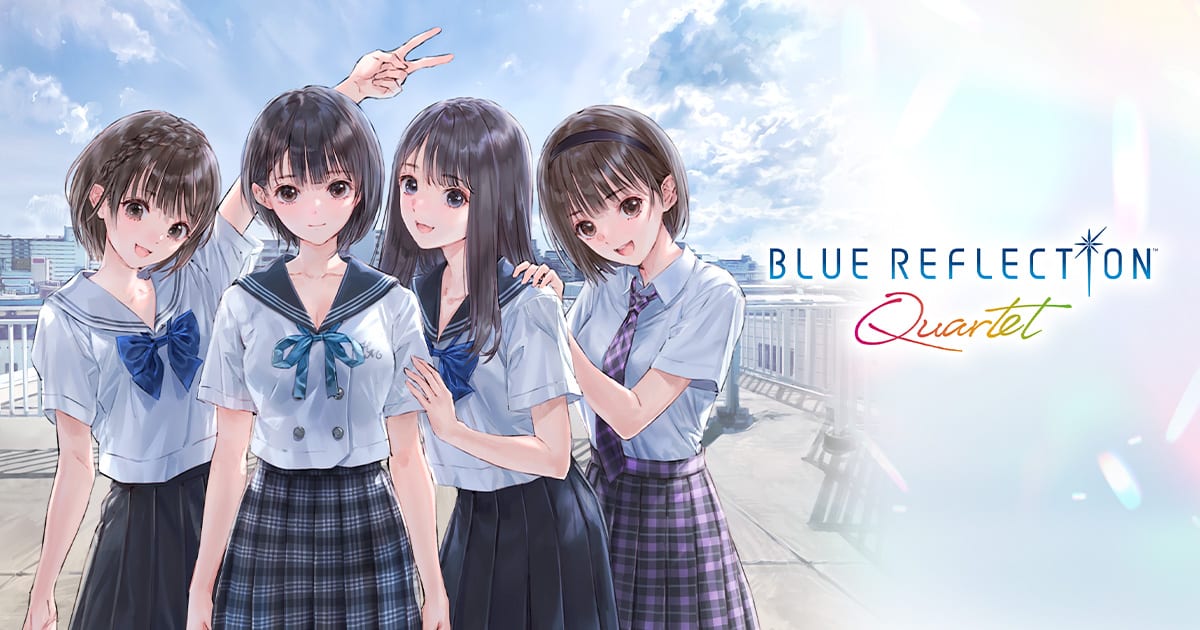
Beyond the four playable icons, BLUE REFLECTION Quartet ships a Reference Database and a Mel Kishida Gallery from the main launcher. Neither is a mini-game; they are lore and art archives meant to keep Hinako, Shiho, Ao, and dozens of classmates coherent when you bounce between remasters, anime stills, manga rebuilds, and an open-world sequel.
If you felt lost in earlier standalone releases, this pairing is KOEI TECMO’s attempt to centralize franchise connective tissue without opening a browser. Use this guide to navigate both modules efficiently—especially when following Recommended play order or chasing the teased all-four completion bonus.
Reference Database: timelines, relationship charts, and glossary
The Reference Database collects timelines, interactive relationship charts, and a term glossary spanning BLUE REFLECTION, RAY, SUN, and Second Light. Entries typically include:
- Chronological notes — which events precede others when games present flashbacks or alternate viewpoints
- Character relationship maps — who attends Hoshinomiya Fu Girls’ High, who becomes a Reflector, and how SUN cast ties back to Hinako’s classmates
- Term glossary entries — Reflect, Ether, Sephirot, and other magical-girl jargon reused across titles, cross-linked from charts and timeline nodes
For a step-by-step browsing guide without spoilers, see How to use Reference.
When to open the database mid-game
Smart times to peek—without spoiling future titles you have not started:
- After finishing BLUE REFLECTION, before RAY, to compare anime stills against game events
- During SUN rebuild episodes when Shiho interacts with faces from Hinako’s arc
- Before Second Light if you skipped earlier games (not recommended for first-timers)
- When optional dialogues mention teachers or Reflectors you forgot
The database complements but does not replace Characters bios or Walkthrough steps—it answers “who is this again?” faster than reloading old saves.
Spoiler hygiene
Because Quartet allows any play order, the Reference Database may gate entries until you register progress in linked games. If an entry looks locked, finish the relevant module or adjust order per Getting started. On replays, unlocked charts help completionists verify every relationship line for the teased bonus—watch Updates for official requirements post-launch.
Mel Kishida Gallery: art archive
Character designer Mel Kishida defined the soft pastel aesthetic of BLUE REFLECTION. The compilation gallery gathers key visuals—costume variants, promotional pieces, and interface art—into a browsable museum independent of in-game unlocks. Quartet adds twenty new Mel Kishida artworks exclusive to this release, joining historical pieces from across the franchise lifecycle.
What the gallery is good for
- Wallpaper hunting — high-resolution renders suitable for desktop or phone backgrounds
- Costume reference — compare school uniforms versus Reflector outfits before photo mode sessions in Second Light
- Voice cast pairing — read names alongside portraits while listening to Japanese voice tracks described on Languages and audio
- Art completion — gallery viewing may factor into personal 100% goals even if it is separate from story trophies
The gallery does not include user-generated Second Light photo mode shots—those stay on your platform save along with Preorder bonus frames.
How the extras interact with each game
| Module | BLUE REFLECTION | RAY | SUN | Second Light |
|---|---|---|---|---|
| Timelines | Hinako baseline | Anime overlap | Manga events | Sequel callbacks |
| Relationship charts | Class roster | Still-scene cast | Shiho bonds | +8 extra members |
| Mel Kishida art | Original designs | Anime stylings | Rebuild portraits | Photo mode poses |
RAY’s lack of combat makes the database especially valuable—players spend more time reading still captions than checking stats on Systems. SUN’s 24 events add gallery-worthy portraits tied to newly recorded lines.
Accessing extras on each platform
PS5, Switch, Switch 2, and Steam all expose the same Reference Database and gallery files. Nintendo buyers must remember Switch and Switch 2 are separate products with no save transfer—database unlock progress does not migrate between them. Steam installs bundle assets in the 55 GB footprint noted on Platforms and requirements.
Text languages mirror the games: English, Japanese, Traditional Chinese, and Simplified Chinese UI where applicable.
Workflow tips for wiki readers
- Finish a major story beat in Walkthrough logs
- Open the Reference Database to cement names before sleeping—memory helps next session
- Browse Mel Kishida entries for characters you bonded with
- Jump into How to play guides when returning to gameplay
- Cross-check meta opinions on Review if you wonder whether extras justify Quartet purchases over standalone legacy SKUs
Speedrunners may ignore both modules; narrative fans should treat them as required reading.
Related compilation facts
The Reference Database and gallery are included in every SKU—no preorder required. They do not restore prior DLC or old saves. New content instead appears inside SUN episodes and Second Light party expansions documented in What’s Included.
For mechanical depth after lore clarity, continue to QoL features and Tier list when building post-database party plans.
Frequently Asked Questions
Quick answers to the most common questions.
What is the Quartet Reference Database?
An in-launcher archive of timelines, interactive relationship charts, and a term glossary covering all four titles.
What is the Mel Kishida Gallery?
A bundled art museum featuring Mel Kishida's character designs, promotional artwork, and twenty new illustrations exclusive to Quartet.
Does Quartet include a term glossary?
Yes. The Reference Database includes a glossary for Reflect terminology and franchise jargon, cross-linked from timeline and relationship entries.
Do I need to finish games to unlock database entries?
Some entries may tie to story progress to avoid spoilers. Play through titles or follow Recommended play order to unlock charts.
Are the gallery and database included in every edition?
Yes. Both ship with all platforms and do not require preorder bonuses—unlike Second Light photo frames in Preorder bonuses.
Does gallery progress transfer from Switch to Switch 2?
No. Nintendo versions are separate products with no save transfer, which includes database unlock states.